Meta description (suggested): Sunkil is a source factory for thermoformed bakery food packaging — cake boxes, pastry clamshells, and custom trays. Compare PET, RPET, PP & PLA materials and learn how to go from blueprint to bulk production.
What Is Thermoformed Bakery Packaging?
Thermoforming is a manufacturing process where a plastic sheet is heated until soft, then formed over a mold to create a precise, lightweight shape — and cooled into a rigid final product. The result is packaging that fits your baked goods like a glove: clear visibility, exact dimensions, and dependable protection.
From cake boxes and pastry clamshells to dessert trays, thermoformed packaging is how bakeries, patisseries, and food brands keep their products beautiful on the shelf and intact in transit.
Sunkil is a source factory specializing in thermoformed bakery food packaging — from design and tooling to mass production under one roof.
1. Our Product Line: Bakery Packaging at the Core
We focus on packaging that makes baked goods look irresistible and arrive safe:
| Category | Typical Products | Key Benefits |
|---|---|---|
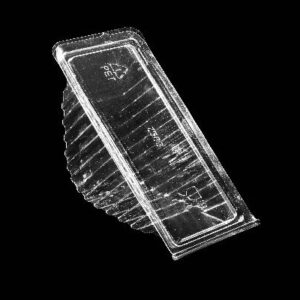
| Cake Boxes & Pastry Clamshells | Cake boxes, pastry boxes, cupcake carriers | Crystal-clear display, anti-crush strength, food-safe materials |
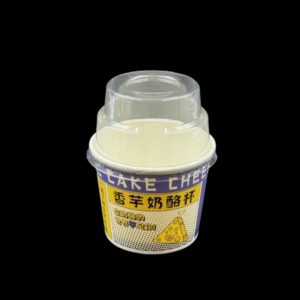
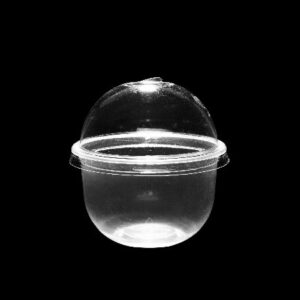
| Bakery Trays & Dessert Cups | Cupcake trays, dessert cups, cookie trays, fruit tart bases | Precise fit, stackable for display, moisture-resistant |
| Custom Bakery Packaging | Branded boxes, logo-embossed trays, custom shapes for special products | Made to your blueprint — no catalog limits |
| Other Thermoformed Products | Retail blister packaging, industrial trays & inserts | Available on request for non-bakery needs |
Why clear matters: customers buy with their eyes. Our transparent packaging lets them see the cake before they buy — and because the structure is molded to the product, baked goods stay locked in place during transport. Fewer crushed corners, fewer returns, less waste.
2. Material Comparison Guide: Choosing the Right Sheet for Your Baked Goods
Not all thermoforming materials are equal. The right choice depends on your product, market, and sustainability goals. Here is how the most common options compare:
| Material | Clarity | Temperature Resistance | Food Safe | Recyclability | Relative Cost | Best For |
|---|---|---|---|---|---|---|
| PET / RPET | Excellent (glass-like) | Moderate (-40°C to ~60°C) | Yes | Widely recyclable (RPET = recycled content) | Medium | Cake & pastry boxes, fresh bakery display |
| PS (Polystyrene) | Good | Poor at low temperature (brittle) | Yes | Limited | Low | Low-cost trays, non-food inserts |
| PP (Polypropylene) | Semi-transparent | Excellent (heat-resistant, microwavable) | Yes | Recyclable | Medium | Hot bakery items, reusable containers |
| PLA (Bio-based) | Good | Low heat tolerance | Yes | Compostable (industrial facilities) | Higher | Eco-positioned bakery brands, cold items |
How to choose
- For cakes, pastries, and display-ready bakery items — PET or RPET is the standard: maximum clarity, food-safe, and the easiest story to tell your end customers about recyclability.
- For hot-from-the-oven items or microwave reheating — choose PP; it withstands heat that would warp PET.
- For eco-positioned brands — RPET (recycled PET) or PLA signals sustainability without sacrificing clarity. We can advise on which option fits your market’s regulations.
We’ll walk you through material selection based on your product’s weight, cream/frosting type, transport route, and target market — no guesswork.
3. Factory Strength: One Partner from Tooling to Container
Working directly with a source factory removes layers of middlemen and gives you control over quality, cost, and lead time.
In-house capabilities at Sunkil include:
- Tooling & Mold Development — our engineers turn your drawings (or a simple product sample) into production molds, optimized for consistent wall thickness and fast cycle times.
- Precision Thermoforming Lines — [e.g. XX machines, output capacity XX pieces/day] producing stable, repeatable quality at scale.
- Quality Control — [describe QC steps: incoming sheet inspection, in-line checks, dimension sampling, drop/stack testing as applicable].
- Food-Grade Assurance — materials and production suitable for direct food contact; certifications available on request: [e.g. FDA, LFGB, BRC, ISO 9001 — list what you hold].
- Export Experience — shipping to [e.g. US, EU, Middle East, Southeast Asia], with packaging designed to arrive intact.
What this means for you: one accountable partner, consistent quality order after order, and pricing that reflects factory-direct costs — not reseller margins.
4. The Customization Process: From Blueprint to Bulk
Custom bakery packaging is a straightforward, 5-step process:
- Share your requirement — product dimensions, quantity, desired material, and any reference images or drawings of your baked goods.
- Design & mold development — we confirm the technical spec, then produce the mold. Typical timeline: [XX days].
- Sampling — you receive physical samples to test fit, stacking, and shelf presentation. Request samples before committing to bulk.
- Mass production — once samples are approved, we schedule production with agreed lead times and keep you updated on progress.
- QC & shipment — finished goods pass final inspection and are packed for export to your door.
No order is too small to start — we support trial orders and scale with you as demand grows.
5. Why Bakery Brands Choose Sunkil
- Crystal-clear, crush-resistant packaging — cakes and pastries stay visible and arrive intact.
- Bakery-specialized source factory — we understand frosting, cream, and fragile toppings; the packaging is designed around them.
- Source-factory pricing — no middlemen, direct communication with the people who make your packaging.
- Full customization — materials, colors, logos, and shapes tailored to your brand.
- Responsive support — clear answers on materials, MOQs, lead times, and certifications before you commit.
Request a Quote
Tell us about your product — baked goods type, dimensions, estimated quantity, and target market. We’ll respond with material recommendations, tooling costs, and a production timeline tailored to your project.
[CTA Button: Request a Quote]
Prefer to test first? [CTA Button: Request Samples] — we’ll guide you through the material options and sample process.
FAQ
Q: What is the minimum order quantity (MOQ)? A: MOQ depends on the product size and material. Share your details and we’ll confirm the exact figure for your project — many custom projects can start with a trial run.
Q: Are your materials food-safe? A: Yes. Our food-grade lines use materials suitable for direct food contact, with certifications available on request: [list certifications].
Q: Can the packaging survive shipping without crushing my cakes? A: Yes — the molded structure locks the product in place, and our designs are tested for stacking and transit. Tell us your shipping route and we’ll recommend the right wall thickness and structure.
Q: How long does mold development take? A: Typically [XX days] from approved drawings to first samples, depending on product complexity.
Q: Can you match a sample I send you? A: Yes — send us a physical sample or drawings, and we’ll develop a mold to match your specifications.
Q: Do you support small trial orders? A: We support trial orders for new projects so you can validate quality before scaling.
Sunkil — your source factory for thermoformed bakery food packaging.